
By the Dropship Stair team. Last reviewed: November 2026.
Key takeaways
- The best Shopify home decor stores are online decor brands built on Shopify that sell furniture, bedding, rugs, and accents with room photos, clear delivery terms, and simple checkout.
- Room photos sell more than product shots, because decor buyers need to see how a piece looks in a real room before they pay.
- Bundles, sets, and shop the look collections raise the average order, because a buyer who came for one pillow often leaves with the whole room.
- Every store below runs on Shopify, so the design patterns here can be copied by a new home decor store without a custom platform.
The best Shopify home decor stores win by showing products in real rooms, grouping items into sets and bundles, and answering delivery and return questions early. The 10 stores below show how to do each of those things well for your own store.
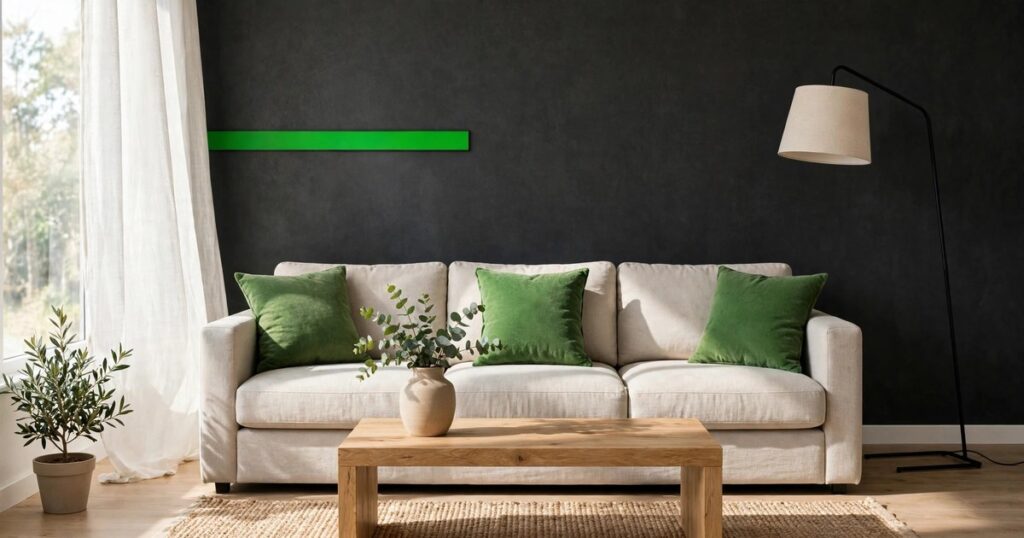
Home decor is one of the hardest categories to sell online. A sofa looks different in every living room, a rug changes the feel of a whole floor, and a buyer cannot touch a fabric through a screen. The best Shopify home decor stores solve that problem with design: styled room photos, honest material descriptions, and delivery details that remove the fear of a big purchase.
What makes the best Shopify home decor stores convert?
The best Shopify home decor stores convert because they answer the buyer’s real question, which is will this look right in my home. They do it with room photos, size guides, honest reviews, and delivery and return terms shown before checkout.
Three patterns show up in almost every one of the best Shopify home decor stores. First, product pages built around the room, not the single item. Second, social proof placed where the buyer decides, on the product page. Third, clear delivery details, because a buyer will not order a sofa or a rug without knowing when it arrives and what happens if it does not fit.
10 best Shopify home decor stores to study
Each of the best Shopify home decor stores below runs on Shopify. Study what each one does best, then copy the pattern that fits your own store.
1. Parachute
Parachute sells premium bedding, bath, and home goods, and its store is built around calm, editorial room photography. Products appear in fully styled bedrooms and bathrooms, so a buyer sees the sheets on a real bed first. The store groups bedding into sets and explains materials in plain words. The lesson is that lifestyle photography is merchandising: when a buyer can picture the product in their own room, the price feels easier.
2. Brooklinen
Brooklinen sells hotel-quality sheets, towels, and bedding, and its store keeps the shopping path short. Buyers pick a size and a color, then see bundles that add a duvet cover or pillowcases to the order. Reviews sit on the product page, and the copy explains fabric and feel without jargon. The lesson is that a simple store can outsell a busy one when the range is tight and every page answers one question: how will this feel in my home.
3. McGee & Co.
McGee & Co. sells design-led furniture and decor, and its store turns room photography into a shopping tool. The Shop the Look feature lets a buyer move from a styled room to the pieces that create it, which turns inspiration into an order. The store pairs products with design content, so a buyer who came for ideas stays to shop. The lesson is that content and commerce work best together: a room a buyer loves is the strongest product page a decor store can build.
4. Burrow
Burrow sells modular sofas, seating, and storage, and its store is built for buyers who need to make several decisions at once. Shoppers pick a configuration, a size, a fabric, and a color, and the product page shows each choice with photos and dimensions. Short videos show tool-free assembly, which removes one of the biggest fears of buying furniture online. The lesson is that for configurable products, the product page must do the work of a salesperson, one clear choice at a time.
5. Lulu and Georgia
Lulu and Georgia sells curated furniture, rugs, lighting, and decor from many designers, and its store feels like a magazine that you can shop. Collections are grouped by style and designer, and room photos show how pieces from different makers work together. The lesson is that curation is a product: when a store edits a large catalog into clear collections, a buyer trusts the taste behind it and shops with more confidence.
6. The Citizenry
The Citizenry sells artisan-made decor from makers around the world, and its store leads with the story behind each piece. Product pages explain where an item was made, who made it, and what it is made of, which gives a plain object a reason to cost more. Photography shows the products in warm, lived-in rooms. The lesson is that a story sells decor when it is specific: the maker, the place, and the material matter more than a long list of features.
7. Ruggable
Ruggable sells machine-washable rugs, and its store puts the product idea front and center. The homepage shows how the two-piece rug and pad system works, and product pages explain washing in plain steps. Rugs are grouped by style, size, and room, and reviews show them in real homes with kids and pets. The lesson is that a product with a clear benefit should lead with it: when the benefit is obvious in the first screen, the rest of the page only has to confirm it.
8. Revival Rugs
Revival Rugs sells vintage and handmade rugs, and its store is built around the fact that many pieces are one of a kind. Each rug gets its own photos, story, and condition notes, so a buyer knows exactly what they are getting. The store groups rugs by style and color, which helps a buyer narrow hundreds of pieces to a short list. The lesson is that scarcity works when it is honest: a one-of-a-kind rug is a real reason to buy now, and clear photos make that reason believable.
9. Jonathan Adler
Jonathan Adler sells bold furniture, pottery, lighting, and decor, and its store carries the brand’s playful voice on every page. Product pages are bright and direct, and gift guides group products by occasion and recipient. The lesson is that a strong point of view is a design asset: when a store looks and sounds like nobody else, buyers remember it, and gift guides turn that memory into holiday orders.
10. Schoolhouse
Schoolhouse sells lighting, furniture, and home goods with a heritage feel, and its store leads with product education. Lighting pages explain finishes, bulb types, and sizes, which helps a buyer choose a fixture unseen. Warm photography keeps the focus on the products, and collections group items by room. The lesson is that education removes doubt: when a store explains how to choose, buyers trust it enough to buy a product they have never touched.
What the top home decor stores have in common
The stores above look different, but they share the same few patterns. The table below shows each store and the one pattern worth copying from it.
| Store | What it sells | What to copy |
|---|---|---|
| Parachute | Bedding, bath, and home goods | Room photos and bedding sets |
| Brooklinen | Sheets, towels, and bedding | Short shopping path and clear bundles |
| McGee & Co. | Design-led furniture and decor | Shop the Look from styled rooms |
| Burrow | Modular sofas and storage | Step by step configuration and videos |
| Lulu and Georgia | Curated furniture, rugs, and lighting | Collections grouped by style and designer |
| The Citizenry | Artisan-made decor | Maker stories tied to each product |
| Ruggable | Machine-washable rugs | A clear benefit in the first screen |
| Revival Rugs | Vintage and handmade rugs | Honest one-of-a-kind listings with full photos |
| Jonathan Adler | Bold furniture, pottery, and lighting | Gift guides and a strong brand voice |
| Schoolhouse | Lighting, furniture, and home goods | Product education that helps buyers choose |
The pattern is clear. The best Shopify home decor stores do not win on discounts. They win by making the buyer feel sure. Room photos, size guides, honest reviews, bundles, and clear delivery terms all lower the risk of buying decor online. Copy the pattern that fits your products, and skip the ones that need a big budget.
How do you build your own home decor Shopify store?
Start with the buyer’s doubt, not with your product list. Pick a clear niche, like washable rugs, artisan decor, or premium bedding, and build the store around the questions that niche asks. A focused niche makes every later choice easier, from photos to delivery terms. Our guide on the best dropshipping niches explains how that focus works, and decor is a category where focus pays off fast.
Then build product pages that remove doubt. Add room photos, a size guide, reviews on the product page, and delivery and return terms before checkout. If you dropship decor, order samples first, because fabric, color, and build quality decide whether buyers come back. Our guide on Shopify dropshipping suppliers covers how to vet suppliers before you commit.
Finally, plan how buyers will find you. Decor sells on visual platforms, so room photos, short videos, and before-and-after shots on Pinterest and Instagram matter more than text ads. Show products in real rooms and let buyers see themselves living with them. Dropship Stair also builds WordPress stores and offers SEO services for stores, so a store can rank for the searches its buyers already make. If you want a store built to that standard, see our pre-built Shopify store options, our custom Shopify store design service, or browse our portfolio for recent work.
Frequently asked questions
What makes a home decor Shopify store successful?
A successful home decor store makes the buyer feel sure before paying. It uses room photos, size guides, honest reviews, and clear delivery and return terms. It also keeps checkout simple and shows costs early, so a buyer never faces a surprise fee at the last step.
Do I need room photos for my home decor store?
Yes, room photos matter more in decor than in almost any other niche. A buyer needs to see scale, color, and style in a real room, because a product shot cannot show how a sofa or rug will look at home. Use styled rooms on the homepage and product pages.
Can I dropship home decor products on Shopify?
Yes, you can dropship home decor on Shopify. Order samples first to check quality, color, packaging, and delivery time, and be honest about shipping times and returns. Decor buyers care about quality, so a bad supplier will cost you reviews and repeat sales faster than in most niches.
How much does it cost to start a home decor Shopify store?
It depends on your theme, photos, and marketing. You need a Shopify subscription, a domain, product samples, and a budget or time for marketing. Start with a small, focused range, test what sells, and grow the budget only when products move.
What is the best niche for a home decor dropshipping store?
The best niche is one with a clear buyer and a clear promise, like washable rugs, artisan decor, or premium bedding. A focused niche makes your marketing sharper and your store easier to trust than a general decor store that tries to sell everything.
The best Shopify home decor stores win on trust, not on tricks. Room photos, clear reviews, bundles, and simple checkout are the patterns that work, and they work for a new store just as well as for a big one. Start with the patterns that fit your products, and build from there.
Sources: the Dropship Stair guides linked in this article, and Shopify store roundups checked in November 2026.