
By the Dropship Stair team. Last reviewed: November 2026.
Key takeaways
- A Shopify one product store is an online store built around a single hero product, where the homepage, ads, and emails all point at one offer.
- One product converts well because the buyer faces one decision, one price, and one checkout, with no catalog to wander through.
- The product must solve one clear problem for one clear buyer, with a margin that survives ads, discounts, and free shipping.
- Bundles, add-ons, and subscriptions raise the average order without adding a second product to the store.
A Shopify one product store sells a single hero product, and every page, ad, and email points at that one offer. It works when the product solves one clear problem and the page answers every doubt before checkout. This guide shows how to build one.
What is a Shopify one product store?
A Shopify one product store is a store that sells one core product, usually in a few variants such as color, size, or flavor. The homepage is the product page, the ads sell the same product, and the whole brand exists to explain why that one item is worth buying.
A general store lists dozens of items and hopes a visitor finds something. In a one product store, every part of the page has one job: move a visitor toward the buy button. Brands such as BlendJet and Truff built their early growth on this exact shape.
The model suits a product that needs a demonstration. If a short video or a clear before-and-after can show the benefit in seconds, one product can carry a whole store. If the product needs comparison shopping across many options, a single-product store will feel thin. Our guide to how to get your first sale on Shopify covers the first-order basics that apply here too.
Why does a Shopify one product store convert so well?
A Shopify one product store converts well because it removes choice overload. A visitor sees one headline, one product, one price, and one call to action, so the decision is buy or leave, not which of forty items to compare. That focus lets the store spend its whole page answering the doubts that block this one purchase.
Focus also makes marketing cheaper to learn. One product means one ad angle, one landing page, and one set of numbers to read. When an ad works, the store owner knows exactly which product and page produced the sale. When it fails, there is only one offer to fix, not a catalog of guesses.
Focus has a real limit: one offer means an ad problem, a stockout, or a fading trend can cut revenue to zero fast. Plan to add a second product or a subscription once the hero is profitable, usually within the first year.
How do you pick the right hero product?
Pick a product that solves one clear problem for one clear person, and that you can explain in a single sentence. The best hero products have a visible result, a price that fits an impulse or considered buy, and a margin that survives ad spend and a small discount without going negative.
Test demand before you build. Look for steady reviews on marketplaces, read the complaints buyers leave on competing products, and check whether people already search for the problem your product solves. A product with no visible demand can still sell, but it needs far more marketing work to find its first buyer.
Run the product through a simple gate: buyers already pay to solve this problem, the result is easy to show in a photo or short video, the product ships safely, and you can source it at a price that leaves room for ads. If it fails two checks, keep looking. Our guide on how to find winning dropshipping products walks through the research step by step.
How do you build a Shopify one product store step by step?
Build the store around the product page, not around a homepage. Start with a Shopify plan that fits your stage: Basic at $39 a month, or $29 a month billed yearly, is enough to launch and test a single product. Pick a fast, clean theme such as Dawn, which is free and works well for a single-product layout, and keep the navigation to a handful of pages.
Make the homepage a long-form sales page. Open with a headline that names the benefit, show the product in use, and put the price and add-to-cart button near the top. Follow with how it works, plain answers to buyer questions, a guarantee, and shipping details.
Write the product page like a salesperson who never sleeps. Lead with the benefit, show the product from every angle, list what is in the box, and answer the top five questions a buyer would ask. Add trust signals that fit: a money-back guarantee, secure checkout, and honest delivery times. Our guide to product page copywriting for Shopify shows how to write pages that sell without hype.
Set up the money flow before you launch. Connect a payment provider, test checkout on a phone with a real order, and check that confirmation emails and order notifications work. Add an abandoned cart email that goes out within an hour, because a one product store cannot afford to lose buyers who reached checkout. Run through the Shopify store launch checklist before you spend a dollar on ads.
What can you learn from real one product stores?
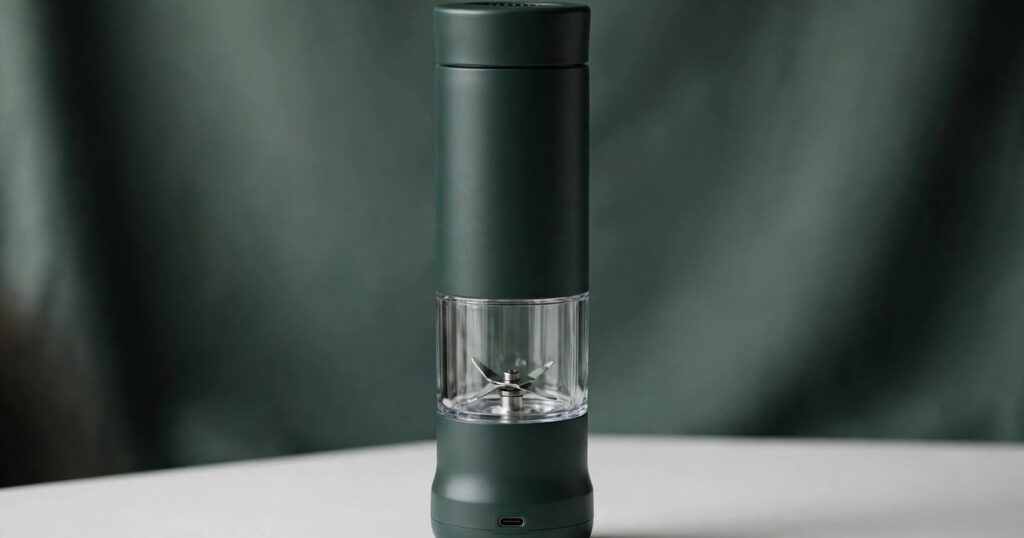
BlendJet sells one thing, a portable blender, in many colors and limited editions, which gives fans a reason to come back without a second product. Truff sells truffle hot sauce in a few flavor variants, each with its own page, and lets the premium branding carry a premium price. Dryrobe sells waterproof adventure robes to outdoor athletes, and its whole site speaks to that one buyer.
Snooz sells a sleep sound machine and removes risk with a long trial period, which matters when a buyer cannot test a sleep product in a store. Palmpress sells a one-cup coffee press and leans on verified reviews to prove a simple product works. Shwood sells wooden sunglasses and turns the material itself into the brand story. The pattern is the same in each case: one product, one buyer, one story told well.
Notice what none of them do: none list a catalog of unrelated items, and none hide the price. Each store makes the product the hero of every page and lets variants and bundles create the variety. Copy that shape, not their exact design.
| Factor | One product store | Multi product store |
|---|---|---|
| Buyer decision | One product, one price, one checkout | Many products to compare and choose between |
| Page to build | One long-form sales page | Homepage, collections, and many product pages |
| Ad testing | One offer, fast to learn what works | Many offers, slower to find the winner |
| Average order value | Raised with bundles and add-ons | Raised with cross-sells across the catalog |
| Biggest risk | One product fails and revenue stops | Thin pages and weak focus across many items |
| Best for | A hero product with a clear demo | Buyers who compare options before buying |
A Shopify one product store suits a hero product with a visible benefit and a clear buyer. A catalog suits buyers who need to compare. Pick the shape that matches how your buyer decides.
How do you price a Shopify one product store?
Price the product so the margin survives the real costs: product and shipping, ad spend, payment fees, refunds, and a small discount. A product that loses money after a ten percent discount is not ready to sell. Work the numbers before launch, not after the first ad bill arrives.
Raise the average order without adding a second product. Offer a two-pack at a small saving, add a useful accessory at checkout, or sell a subscription refill where the product runs out. These moves lift revenue per visitor, which is the number that decides whether ads can pay for themselves. Our guide to pricing psychology for Shopify stores covers the offer structures that protect margin.
Keep the price simple on the page. Show one price, show what is included, and show shipping costs early. A buyer who has to hunt for the real cost will leave, and a one product store has no second product to catch them. Test the checkout yourself on a phone, and fix every surprise fee before you launch.
What mistakes kill a Shopify one product store?
The first mistake is picking a product nobody is already paying to solve. A clever product with no visible demand needs a huge education budget, and a new store rarely has one. The second mistake is a weak product page: one photo, a short description, and no answers to obvious questions will not convert cold traffic, no matter how good the ads are.
The third mistake is spending on ads before the store converts warm traffic. If visitors browse but never buy, ads will only buy more of the same result. Fix the page, the offer, and the checkout first, then test ads with a small daily budget and a clear stop rule.
The fourth mistake is ignoring the fragility of one product. A stockout, a supplier delay, or an ad account issue can stop all sales at once. Keep a backup supplier where possible, hold a small buffer of stock, and start planning a second product once the hero sells steadily. See our guide on the best Shopify themes for dropshipping if your theme is slowing the page down.
Frequently asked questions
Is a Shopify one product store profitable?
A Shopify one product store can be profitable when the product solves a clear problem, the margin survives ad spend, and the page converts cold visitors. The product, price, and offer must work together, so track profit per order, not just sales.
How much does it cost to start a Shopify one product store?
A Shopify one product store starts on the Basic plan at $39 a month, or $29 a month billed yearly, plus a domain and apps. Most new stores spend $50 to $200 a month before ads. Paid ads are the bigger cost, so budget for testing separately.
What is the best theme for a Shopify one product store?
Dawn is a strong free choice for a Shopify one product store because it is fast, clean, and easy to shape into a long-form sales page. Paid single-product themes can add features such as sticky add-to-cart buttons. Pick a theme that loads fast on mobile.
Can I add more products to a one product store later?
Yes, you can add more products later, and most successful one product stores do. Add a second product only after the hero sells steadily and profitably. It should serve the same buyer, such as an accessory or a refill, so the store keeps its focus.
Do one product stores work for dropshipping?
Yes, one product stores work well for dropshipping because the whole store and every ad focus on a single offer. The risk is supplier reliability: a late shipment hits the only product you sell. Vet the supplier with a sample order first and keep a backup option ready.
A Shopify one product store works when one product, one buyer, and one clear page line up. Pick a hero with a visible result, build a page that answers every doubt, price it so the margin survives ads, and test before you scale. Dropship Stair designs one product Shopify stores built to turn a single offer into steady sales. See the design work in our Shopify store design services or reach the team through contact us to talk through what your store needs next.
Sources: PageFly and Omnisend guides to one product Shopify stores, checked November 2026; Shopify plan prices verified November 2026.